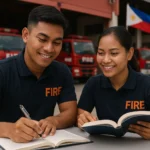
If you’ve ever dreamed of wearing that crisp Bureau of Fire Protection (BFP) uniform and serving your community, the FOE Exam is your official first step. Let’s explore what it really is, how to qualify, what to study, and how to pass one clear, encouraging step at a time.
Understanding the FOE Exam
Definition Explained
The Fire Officer Examination (FOE) is a civil service examination conducted by the Civil Service Commission (CSC) in the Philippines. It determines who is eligible to apply for the Fire Officer I position under the Bureau of Fire Protection.
In simple terms, passing this exam proves that you have the knowledge, discipline, and values required to begin your career as a fire officer.
Quick Fact
- Exam Type: National Competitive Examination
- Administered by: Civil Service Commission (CSC)
- Main Purpose: Eligibility for Fire Officer I in the BFP
- Frequency: Usually once a year (check CSC official announcements)
Passing this exam doesn’t mean you’re instantly hired but it qualifies you for application and gives you a valuable civil service eligibility that never expires.
Why the FOE Exam Matters
Imagine standing in front of a burning building, knowing that your training could save lives. That level of responsibility requires more than physical strength it demands intellect, decision-making, and emotional control.
That’s exactly why the FOE Exam exists: to ensure that every fire officer starts their journey with the right mindset and knowledge foundation.
According to the Civil Service Commission’s 2025 guidelines, more than 40,000 examinees registered for the FOE in 2024 showing how strong the demand is for this respected profession.
Fire officers aren’t just firefighters. They are public servants, educators in fire safety, and protectors of communities. Passing the FOE means joining a noble tradition of service and bravery.
Eligibility Requirements for FOE in the Philippines
Before you can take the FOE Exam, make sure you meet these qualifications set by the CSC.
Basic Requirements
- Filipino citizen
- Good moral character (no criminal record or dishonorable dismissal)
- Physically and mentally fit
- No previous dishonorable dismissal from government service
- No conviction of an offense involving moral turpitude
Educational Requirement
- At least a Bachelor’s degree (any four-year course is accepted).
Age Limit
- At least 21 years old but not more than 35 years old on the date of filing.
Height Requirement
While the CSC does not require a height limit for the exam itself, the BFP hiring process may follow its own physical standards:
- Male: at least 1.62 m (5’4”)
- Female: at least 1.57 m (5’2”)
So even if you pass the FOE, you’ll need to meet these standards when applying for the position later.
What Is the Work of a Fire Officer?
The title “Fire Officer I” may sound simple, but it carries big responsibilities.
Duties Include
- Responding to fire and rescue emergencies
- Conducting fire prevention and safety inspections
- Investigating fire incidents
- Educating the public about fire safety
- Operating firefighting equipment
- Assisting during natural disasters and emergencies
It’s not just about putting out flames. It’s about saving lives, protecting property, and serving with courage. Every action of a fire officer impacts lives and communities.
Levels or Ranks of Fire Officers in the Philippines
Like in the military or police, the BFP has a ranking system. Here’s how it’s structured:
| Rank | Position Title | Equivalent Civil Service Eligibility |
|---|---|---|
| FO1 | Fire Officer I | Fire Officer Eligibility (FOE Passer) |
| FO2 | Fire Officer II | Promotion after years of service |
| FO3 | Senior Fire Officer I | |
| FO4 | Senior Fire Officer II | |
| FO5 | Senior Fire Officer III | |
| FO6 | Senior Fire Officer IV | |
| INSP | Inspector | Officer Rank |
| SINSP | Senior Inspector | |
| SUPT | Superintendent | |
| CSUPT | Chief Superintendent | |
| DIR | Director | |
| DDIR | Deputy Director | |
| DCO | Deputy Chief, BFP | |
| CHIEF | Chief, BFP |
Each rank reflects experience, leadership, and service dedication. Passing the FOE qualifies you for Fire Officer I, the entry-level rank.
How to Apply for the FOE Exam
Step-by-Step Guide
- Check CSC Announcements
Visit the Civil Service Commission website or official Facebook page for the exam schedule. - Prepare the Requirements
- Fully accomplished CSC Form 100 (Application Form)
- 4 identical passport-size photos (with name tag and signature)
- Valid ID (e.g., UMID, Driver’s License, Passport)
- Examination fee (usually ₱700)
- File Your Application
Submit personally to the CSC Regional or Field Office where you want to take the exam. Early filing is advised slots fill up quickly! - Wait for Your NOA (Notice of Admission)
It includes your exam date, room assignment, and reminders. - Take the Exam
Bring your NOA, valid ID, pencil No. 2, black ballpen, and snacks or water. Follow the exam rules strictly.
FOE Exam Coverage
According to the CSC, the Fire Officer Examination covers analytical, situational, and general knowledge areas related to fire service and civil duty.
| Subject Area | Coverage / Topics |
|---|---|
| General Ability | Numerical reasoning, logic, grammar, and vocabulary |
| Fire Service Information | Fire suppression, prevention, investigation, and rescue operations |
| Fire Safety and Prevention | Safety standards, inspection procedures, and hazard control |
| Government and Public Administration | Philippine Constitution, Code of Conduct, BFP policies |
| Ethics and Values | Public service ethics, integrity, and responsibility |
Exam Format
- Type: Multiple choice
- Duration: 3 hours and 5 minutes
- Passing Grade: 80%
Tips to Pass the FOE Exam
Passing the FOE is not just about memorization it’s about strategy, confidence, and preparation. Here’s how you can do it:
1. Know the Coverage
Print or write down the list of topics above and tick off each one as you study. This helps you stay organized.
2. Study Smart, Not Hard
Focus on understanding concepts, not just memorizing definitions. For instance, instead of simply recalling “fire triangle,” understand how heat, fuel, and oxygen interact.
3. Use Review Materials
There are review centers across the Philippines that specialize in FOE preparation. You can also find free reviewers online and practice tests on Facebook groups or YouTube.
4. Practice Time Management
Three hours may seem long, but under exam pressure, it’s easy to lose track. Try timed mock tests weekly to simulate the experience.
5. Read and Re-read the Questions
Some questions are tricky one wrong interpretation can change your answer. Read carefully, underline key words, and avoid rushing.
6. Take Care of Yourself
Good sleep, a healthy diet, and regular exercise improve focus. You can’t perform well if you’re burned out.
Common Mistakes FOE Examinees Make
Even smart students fail because of preventable mistakes. Learn from these:
| Mistake | How to Avoid It |
|---|---|
| Studying too late | Start early at least 2 months before the exam |
| Ignoring local fire service laws | Review Republic Act 9514 (Fire Code of the Philippines) |
| Leaving blanks on answer sheets | Always guess wrong answers aren’t penalized |
| Not following instructions | Carefully read your NOA and test booklet reminders |
| Overthinking difficult questions | Skip and return later; don’t waste precious time |
Frequently Asked Questions
What is the passing rate of the FOE Exam?
It changes yearly, but historically only 20–30 % of examinees pass proof of how challenging the exam is. Don’t be discouraged; preparation makes the difference.
Can I retake the FOE Exam if I fail?
Yes! There’s no limit to how many times you can take it. Each year offers a new chance.
Do I need to be physically fit to take the exam?
While physical tests aren’t required for the written exam, being fit is important for the BFP hiring process later.
How long is the FOE Exam valid?
It’s a lifetime eligibility. Once you pass, you don’t need to retake it.
Where can I see my results?
The CSC posts results about 2–3 months after the exam on their official website and Facebook page.
Preparing for Your Fire Officer Journey
Passing the exam is only the beginning. Once you’ve earned your eligibility, the real journey starts applying to the Bureau of Fire Protection.
After Passing the FOE
- Apply for Fire Officer I when the BFP announces vacancies.
- Complete physical and medical exams.
- Attend the mandatory training at the Fire Officer Basic Course (FOBC).
- Start your service and continue learning on the job.
How to Build the Right Mindset
Alex Smith here and if you’re reading this, you probably already have that spark of passion to serve. But exams like the FOE are more than academic challenges; they’re tests of character.
Many aspiring officers I’ve met say their biggest struggle isn’t the content it’s the pressure. They fear failure, especially if it’s their second or third try. But here’s what I tell them:
“Firefighters don’t run away from heat they walk straight into it.”
That’s what this exam represents: walking into the heat of preparation, stress, and self-doubt, and coming out stronger. Keep going, even when the review feels endless.
Real-Life Story: Mark’s FOE Journey
Mark De Guzman from Pampanga once failed the FOE Exam twice. He almost gave up. But he noticed his mistakes lack of review time and poor exam strategy.
On his third attempt, he studied every morning before work, joined a Facebook study group, and practiced mock exams on weekends. He passed in 2023 and now serves as a Fire Officer I.
Mark says, “When I wear my uniform now, I remember every sleepless night I studied. It was all worth it.”
Stories like Mark’s show that the FOE is not just about scoring 80%. It’s about building resilience, discipline, and service mindset.
FOE Review Resources
Here are some practical resources to start your preparation:
| Resource Type | Example / Tip |
|---|---|
| Official Source | Civil Service Commission website and FB page |
| Online Reviewers | FOE sample tests on YouTube and Google Drive |
| Books | “Civil Service Exam Reviewer for Professional and FOE” (available in local bookstores) |
| Study Groups | Join Facebook groups like “FOE Exam Review Philippines 2025” |
| Apps | Civil Service Exam Practice (Android/iOS) |
Combine online tools with personal discipline for best results.
How to Manage Exam Stress
Studying hard is one thing; managing stress is another. Here are easy techniques to stay calm:
- Create a fixed schedule same study hours daily build consistency.
- Reward yourself short breaks, snacks, or a quick walk.
- Visualize success imagine your name on the passers list.
- Stay around supportive people study buddies, family encouragement.
- Pray or meditate mental peace sharpens focus.
Remember: being anxious means you care. Use that energy to fuel your preparation.
Fire Officer Career Path and Salary
Entry Level: Fire Officer I
- Salary Grade: 10
- Monthly Salary: Approximately ₱25,000 – ₱28,000
- Benefits: hazard pay, uniform allowance, bonuses, leave credits, and government benefits (GSIS, PhilHealth, PAG-IBIG).
Mid-Level Promotions
- With years of service and good performance, you can advance to Senior Fire Officer or Inspector ranks, earning up to ₱40,000 – ₱60,000 monthly.
Leadership Positions
- Chief Superintendent or Director ranks can earn ₱80,000 – ₱100,000 + monthly, plus the honor of leading entire regional operations.
The fire service isn’t just a job it’s a calling that rewards dedication, teamwork, and service.
Checklist: Before You Apply
✅ Bachelor’s degree (any field)
✅ Within 21–35 years old
✅ Physically and mentally fit
✅ Good moral character
✅ Prepared application requirements
✅ Willing to serve anywhere in the Philippines
If you checked all those boxes, you’re already halfway there.
Motivational Takeaway
You don’t need to be born brave to become a fire officer. Bravery is built through preparation, patience, and purpose.
Every page you read, every reviewer you answer, and every sleepless night you spend studying is shaping the firefighter you’re meant to be.
So, if you’re holding this dream close keep going. The siren of success is waiting for you to answer the call.
Final Thoughts
The Fire Officer Examination is more than just a test. It’s the first flame that lights your journey toward public service.
If you approach it with focus and heart, you won’t just pass the exam you’ll carry the pride of serving your country with courage and compassion.
You can do this. Study smart, stay strong, and never forget why you started.

Alex Smith mentors young learners in debate and writing, turning complex expression into simple strategies. He inspires students to speak with confidence and write with clarity.